
Your spine and internal organs share intimate connections through nerve pathways and anatomical proximity. When organs like the kidneys, liver, or lungs experience distress, they often refer pain to specific regions of the back through shared nerve networks. Protein restriction was studied in human subjects in the MDRD trial (Modification of Diet in Renal Disease). Phosphorus is a naturally occurring substance in many of the foods we eat, and in moderation a necessary component to the diet. However, when used as a preservative, the body cannot adapt as well to the large amounts eaten.
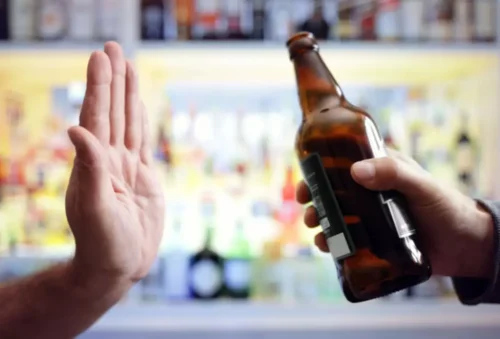
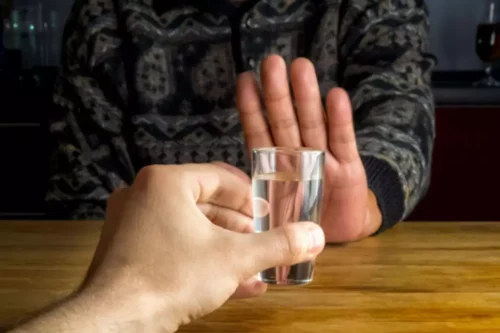
- Try swapping out alcoholic drinks for alternative beverages such as juices and teas.
- Small kidney stones often pass through the urinary system without causing much pain.
- CKD often features a lowered immune response, reducing the body’s ability to fight infections like UTIs.
How Does Alcohol Affect the Vital Role of Your Kidneys?
The differences between healthy kidneys and those affected by chronic alcohol use are stark. Healthy kidneys are capable of maintaining efficient filtration and waste management, while alcohol-affected kidneys often show signs of inflammation, scarring, and reduced functionality. Chronic alcohol use can also lead to protein leakage into the urine (proteinuria), an early indicator of kidney damage.
What Are The Three Early Warning Signs Of A Kidney?
- However, larger stones can cause a sharp, intense pain that typically worsens when the stone moves from the kidney to the ureters.
- While alcoholic myopathy can have serious health consequences, it is important to note that it can be reversed when a person quits drinking.
- Chronic kidney disease (CKD) contributes significantly to discomfort in the lower back, emphasizing the need for careful evaluation.
- Signs of kidney damage from alcohol include persistent lower back pain, changes in urination patterns, and swelling in the legs or ankles.
It’s crucial to evaluate the pain’s location, intensity, and accompanying symptoms to determine the proper source and seek appropriate medical advice. Kidney pain typically presents as a deep ache or sharp sensation located in the flank area, while back pain is often more generalized. Additionally, kidney pain may be accompanied by other symptoms like nausea or changes in urine color, which can help distinguish between the two.
Can Drinking Too Much Be Harmful to Your Kidneys?
In fact, having a drink or two can actually contribute to chronic pain. For some people, it only takes a single glass for their pain and other symptoms to flare up. Given this reason, it’s worth understanding the physiological links between alcohol and back pain. While kidney pain from drinking alcohol can act as a muscle relaxant for some people, it can also lead to muscle spasms, which in turn leads to back pain. Kidney infection is a type of urinary tract infection (UTI) that originates in the bladder of the urethra and moves to one of both kidneys. Drinking alcohol can make the symptoms and severity of UTIs worse.
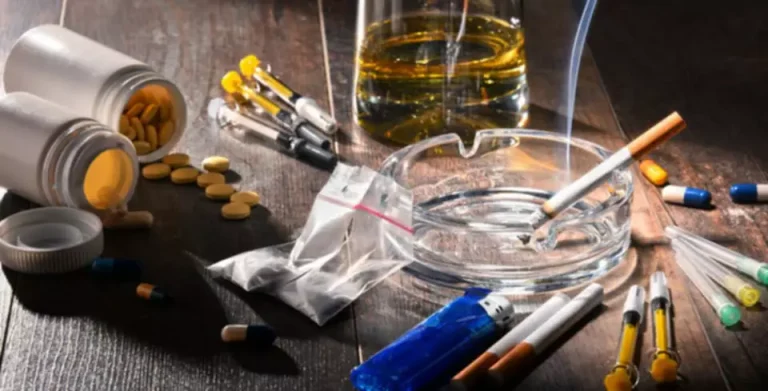
If you are experiencing kidney pain or suspect you have kidney stones, it is crucial to seek medical advice as soon as possible. Doctors can provide guidance on prevention strategies, such as dietary changes and hydration therapies, as well as appropriate treatments for kidney stones. It is worth noting that kidney pain can be a warning sign of a potentially serious medical condition. Therefore, it is advisable to seek medical attention as soon as possible to ensure appropriate treatment and reduce the risk of complications.
Acute stomach cramps and diarrhea can be due to gastroenteritis, an infection of the stomach and bowel. IBS affects both the small and large intestine, causing symptoms such as bloating, diarrhea, constipation, and cramping. Those who indulge in excessive drinking may also place themselves at greater risk for heart disease and gout. Furthermore, the osteoporosis risk can escalate since alcohol interferes with the balance of calcium and the production of bone-forming cells. Regarding chronic kidney disease, alcohol poses a risk as it can increase the burden on the kidneys, which must filter harmful substances from the blood. Kidney pain after alcohol consumption is a concern for many individuals who experience discomfort in the lower back or near the rib Twelve-step program cage after drinking.
Chronic kidney disease (CKD)
- People should consult a healthcare provider if they are concerned about drinking and kidney damage.
- Doctors can provide guidance on prevention strategies, such as dietary changes and hydration therapies, as well as appropriate treatments for kidney stones.
- Alcohol can cause you to lose more fluid than you take in, which burdens the kidneys as they attempt to maintain adequate hydration and electrolyte levels.
- You increase your chances of developing kidney stones when you lead a sedentary lifestyle and have imbalanced diet.
Each of these kidney disorders have their own treatment plans depending on the severity and impacts on the body and other organs. Dialysis and kidney transplants are sometimes required to support the failing kidneys. CKD treatment generally consists of dialysis or, in extreme cases, a kidney transplant. However, without treatment and continued drinking, complications can occur. We need more research to learn why abstinence does not work for everyone. Still, getting treatment for an alcohol use disorder is the best way to reverse kidney injuries and prevent future damage.