

The Rise of Users Cryptocurrency Stake
In the world of digital finance, the concept of users cryptocurrency stake has gained immense popularity. As more investors turn to cryptocurrencies for wealth-building opportunities, staking has become a crucial strategy to maximize returns. This article delves into the mechanism of staking, its advantages for crypto enthusiasts, and the future prospects of this trend in the context of an ever-evolving market.
What is Cryptocurrency Staking?
Staking is the process of actively participating in the operation of a blockchain network by locking up a certain amount of cryptocurrency in a wallet to support its operations. In return, users are rewarded with additional tokens or coins. This practice is fundamentally tied to Proof-of-Stake (PoS) consensus mechanisms, which are designed to enhance security, decentralization, and efficiency across the network.
How Does Staking Work?
Staking works by having users commit their coins to the network for a certain period, usually while maintaining their wallet online to support blockchain transactions. Unlike traditional mining, which often requires costly hardware and consumes a lot of energy, staking allows users to earn rewards without the need for extensive resources. The network chooses validators randomly based on the amount of cryptocurrency they have staked, thus promoting fairness and encouraging wider participation.
The Benefits of Staking for Users
As more users become aware of cryptocurrency staking, several benefits are emerging that appeal to a wider demographic of investors:
1. Earning Passive Income
One of the most enticing benefits of staking is the ability to earn passive income without actively trading or managing investments. The rewards received from staking can serve as a consistent income stream, similar to interest earned from traditional savings accounts, but often at a much higher yield.

2. Supporting the Blockchain Network
By participating in staking, users contribute to the security and efficiency of the blockchain network. This participation helps validate transactions and maintain the integrity of the blockchain, creating a more resilient network overall. In essence, by staking, users take part in the future of decentralized finance.
3. Lower Energy Costs
As mentioned earlier, staking significantly reduces the energy costs associated with cryptocurrency operations. Proof-of-Stake networks consume considerably less power than those utilizing Proof-of-Work (PoW) while maintaining high levels of security and decentralization. This aspect appeals to environmentally conscious investors and advocates for sustainable practices in the crypto space.
Risks Associated with Staking
Despite the numerous benefits of staking, users should be aware of the inherent risks involved:
1. Market Volatility
Like any investment in cryptocurrency, staking is not immune to market volatility. While users may earn rewards through staking, the value of the staked tokens can fluctuate dramatically, potentially negating any gains.
2. Liquidity Issues
When users stake their coins, they often lock them up for a specific duration, rendering them illiquid. This means users may not be able to sell or trade their assets easily during market downturns, leaving them vulnerable to losses.
3. Selection of Platform Risks
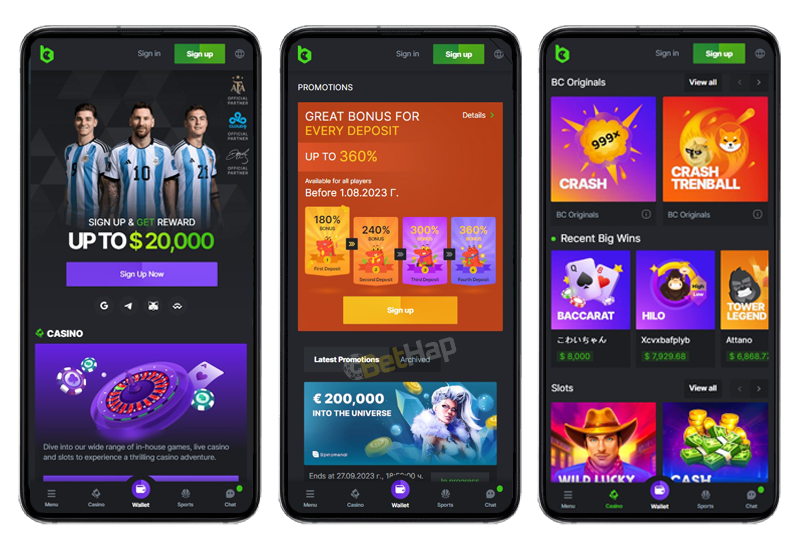
Choosing the wrong staking platform can expose users to security risks and poor return rates. It is vital to research platforms thoroughly before committing funds, ensuring that they are reputable and provide adequate security measures.
The Future of Staking in the Crypto Space
The future looks promising for cryptocurrency staking as platforms and projects continue to innovate and attract users. Some possible trends include:
1. Enhanced Features
Many platforms are introducing new features to attract stakers, such as flexible staking options, auto-compounding rewards, and diversified staking pools. As competition increases, users can expect more attractive incentives to stake their coins.
2. Institutional Adoption
As institutional investors explore the potential of cryptocurrencies, the adoption of staking is expected to rise. This could lead to new products and services dedicated to staking, significantly shaping the market landscape.
3. Education and Awareness
As the staking movement grows, educational efforts within the community are essential. Increased awareness will help users make informed decisions about when, where, and how to stake their cryptocurrencies effectively, minimizing risks and maximizing potential returns.
Conclusion
Users cryptocurrency stake has emerged as a vital part of the digital finance ecosystem, offering innovative ways for investors to generate passive income while supporting blockchain networks. However, it is crucial for users to understand both the benefits and the risks involved in staking. By keeping abreast of developments in this space, users can make informed decisions and leverage the opportunities presented by this exciting aspect of cryptocurrency investment.